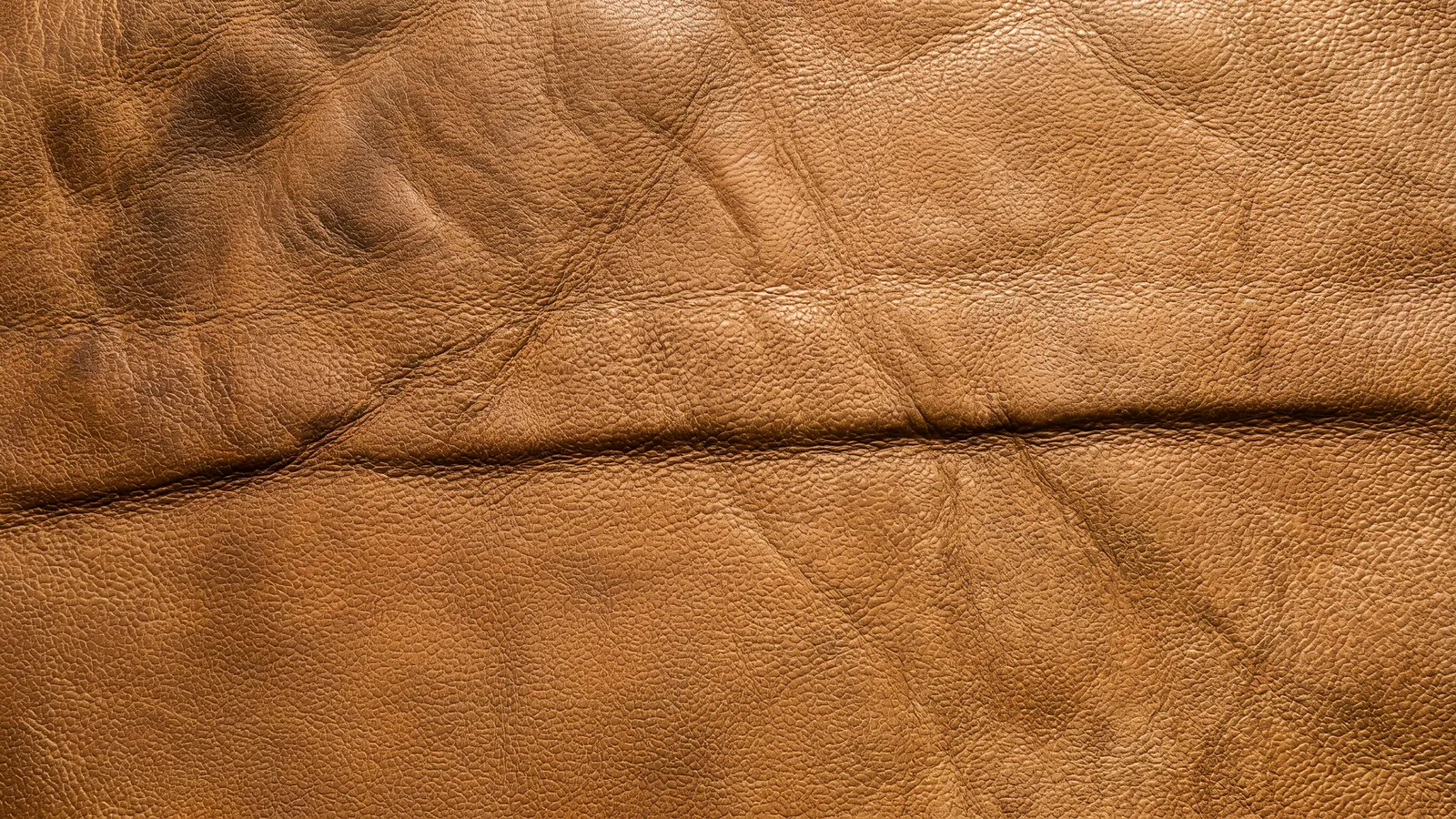
Close your eyes and think of leather. Perhaps it is the inside of a new bag, a jacket worn until it moves like a second skin, a polished shoe, or the seat of an old car. The word names a material, but the scent it summons is rarely identical from one person to the next. Every object carries its own history of making and use.
That is what makes leather as a perfume note so curious. When the word appears in a fragrance description, it does not normally identify an essential oil distilled from a hide. Perfumers create a leather impression by assembling aromatic materials. Some compositions turn the idea into smoke and darkness. Others make it soft, almost powdery, closer to suede than to a tannery.
The intriguing question is not simply whether a perfume smells like leather. It is which version of leather the perfumer wants us to imagine.
Real leather has no single, universal smell
Leather objects vary according to how the material is tanned, dyed, finished, treated and used. It makes little sense to imagine that every new piece of leather smells alike. A hard-wearing boot, a smooth brown bag and a brushed suede jacket present distinct surfaces and very different associations.
Our vocabulary, however, gives all three the same name. Fragrance can play with precisely that looseness: the perfumer is free to suggest the polish of a shoe or the touch of a soft glove without reproducing every aspect of the material itself.
How can a perfume smell of leather without containing leather?
In perfumery, an accord is the effect created when several aromatic materials work together to form one recognizable impression, much as several notes form a musical chord. A leather accord describes a constructed smell, not proof that a physical piece of animal hide is part of the formula.
The association has a long history. In European glove-making, scented treatments helped make tanned leather more pleasant to wear. Over time, leather became a language of fragrance in its own right, separating the idea of a leather object from the need to have that object in the bottle.
A perfumer may draw upon smoky birch tar, resinous notes or manufactured aromatic molecules with dry, bitter, green or leathery facets. The Perfume Society describes a wide palette of possible approaches, including birch tar, juniper-related materials, aldehydes and synthetics. These are examples of the craft, not a recipe that every leather perfume must contain.
Birch tar is also a useful reminder that “natural” and “unrestricted” do not mean the same thing. IFRA's published standard prohibits crude birch wood pyrolysate as a fragrance ingredient while setting specifications for purified derivatives. A story about a historic material should not be mistaken for advice to use crude tar in a homemade fragrance.
Three ways a leather note can feel
These are reading tools, not fixed scientific classes. They help explain why two fragrances described as leathery may have little in common.
Smoky leather can be dry, dark, tarry or faintly charred. It is close to the image many people carry of traditional leather perfumery, though not every classic or contemporary example smells the same.
Soft suede shifts the emphasis towards a smooth, warm and perhaps powdery sensation. In perfume writing, suede often describes touch translated into smell. It need not be loud or smoky to be recognizable.
Floral leather uses contrast. Flowers may make a leather impression feel more open, while the leathery facet can give a floral composition a dry edge or unexpected depth. Perfumer Andy Tauer, speaking to The Perfume Society, describes the way leather can throw flowers into relief. This is a creative relationship between materials, not a universal rule about what every wearer will detect.
It is also a mistake to reduce leather to a gender rule. A scent can be dark without being “for men,” or soft without being “for women.” What matters is the whole composition and whether its character feels right to the person wearing it.
How to explore leather fragrances before choosing one
Instead of asking only, “Does it have leather?”, ask, “What kind of leather does it suggest?”
Start with the opening. Is it bright, aromatic or immediately smoky? Then notice what happens as the initial impression changes: do flowers, spices or woods alter the leather's character? Return to the scent later and see whether the lingering impression feels dry, smooth, warm or resinous.
Blotter strips can help narrow down a style. If you want to understand how you personally perceive the finished fragrance, try an appropriate amount on skin and revisit it after some time rather than deciding in the opening seconds. A “leather” label cannot predict how many hours a perfume will last, how loudly it will project, or what anyone else will perceive.
When Leather Sits Beside Florals
In the Valencia scent-note structure confirmed by ZCONY, the opening lists Limonene, Apple and Eucalyptol; the heart brings together Jasmine, Rose and Leather; the base lists Amber, Musk and Cedarwood.
What makes this an interesting example is the position of leather. It appears beside flowers rather than alone, within a wider arc that starts with brighter material and settles into a warmer base. Even before smelling a fragrance, a note pyramid can give us a way to ask better questions about its intended composition.
That note pyramid is a brand-confirmed description of the scent, not laboratory evidence that the formula contains hide, birch tar or any particular raw material. It also cannot establish whether a finished product is vegan. For material-origin questions, the product's actual documentation is what matters.
Readers who want to explore the brand's information or contact details can visit ZCONY. A real smell test remains more useful than trying to make a purchase decision from a single descriptive word.
Leather, then, offers one of perfumery's best examples of imaginative construction. The perfumer does not always reproduce an object literally. Sometimes the more interesting achievement is to evoke the memory of a surface through materials that were never that surface at all.
Further reading
- The Perfume Society — Leather — industry explanation and comments from perfumer Andy Tauer
- IFRA — Birch wood pyrolysate standard (PDF) — restrictions on crude material and specifications for purified material
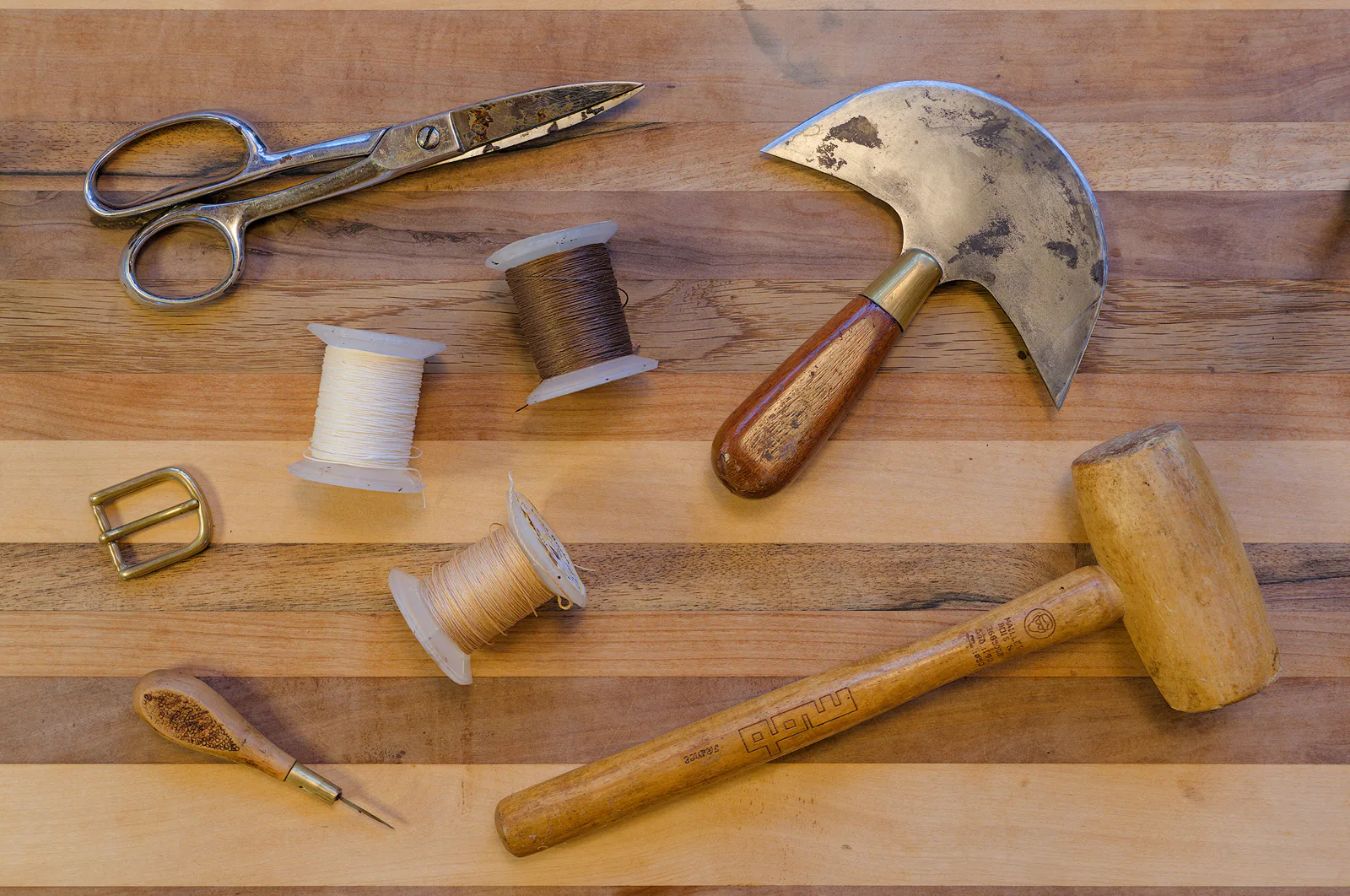
- Leather working tools (DSC08329).jpg — photograph by Trougnouf (Benoit Brummer), Wikimedia Commons, licensed under CC BY 4.0; cropped, resized and converted to WebP for layout
